

Can beginners smoke full-bodied cigars?
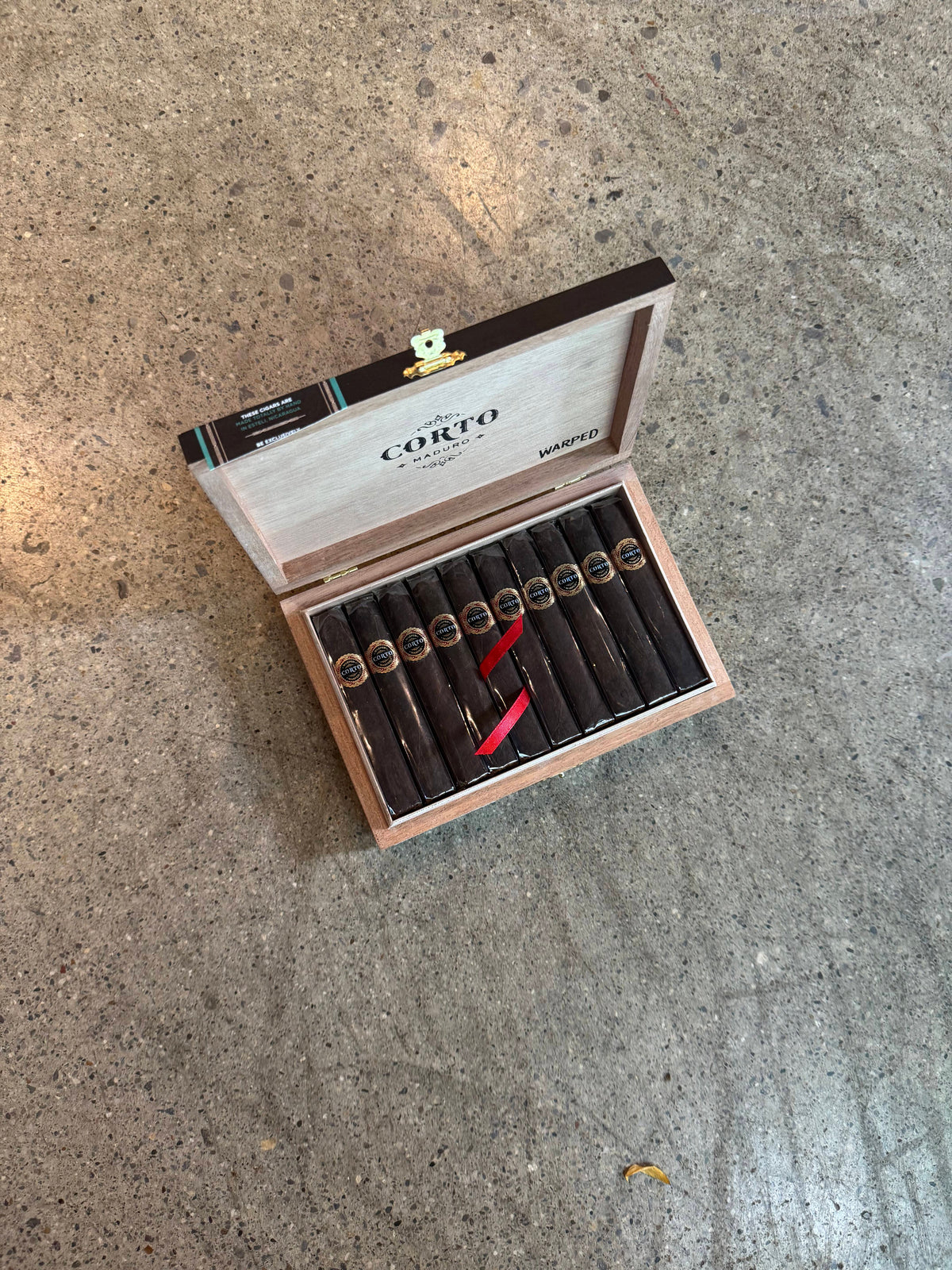
Yes, beginners aged 21 and older can smoke full-bodied cigars, but full body does not reliably tell you nicotine strength, and it is not the best starting point if strength is unclear. Choose by the blend’s stated strength and your own experience, not by a dark wrapper or a bold description. Cigar smoke contains addictive nicotine and causes serious health risks even when you do not inhale.
- Can beginners smoke full-bodied cigars? Yes, but confirm nicotine strength rather than judging body or wrapper color.
- Full-bodied describes smoke’s weight and richness; nicotine strength is a separate characteristic.
- Creekside Cigar Co. suits adults seeking boutique cigars and personal buying guidance.
- Stop smoking if you feel nauseated, dizzy, sweaty, or unwell; finishing a cigar is never a requirement.
Can beginners smoke full-bodied cigars?
Yes—but a full-bodied cigar is not automatically a sensible first cigar. The useful question is whether the cigar combines the flavor and texture you want with a nicotine strength you understand. In 2026, a product description that says only full-bodied still leaves that question unanswered.
Cigar terminology is not perfectly standardized. One maker’s body rating does not provide a measured nicotine dose, and a retailer’s strength scale is not a medical safety rating. Use these distinctions when comparing descriptions:
| Description | What it tells you | Useful for | What it does not establish |
|---|---|---|---|
| Body | The perceived weight, texture, and richness of smoke | Deciding whether you want a lighter or fuller sensation | A measured nicotine level |
| Strength | The described intensity of nicotine effects | Screening out a cigar described as stronger than you want | How your body will respond |
| Flavor intensity | How pronounced the flavors seem | Choosing subtle or assertive flavors | Whether the cigar is mild in nicotine |
| Wrapper | The cigar’s outer tobacco leaf | Understanding part of the blend | The strength of the complete cigar |
For help separating those terms before ordering, read how to read cigar descriptions when buying online. Treat an unclear strength description as a reason to ask a question, not permission to assume mildness.
Why this matters
A beginner can dislike a cigar for very different reasons: dense smoke, an assertive flavor, excessive heat, or nicotine effects. Calling every uncomfortable experience too strong makes your next purchase harder to choose.
Separate sensory preference from physical symptoms. Pepper on the palate describes a flavor sensation; dizziness describes how you feel. Neither should become a challenge to endure, and no amount of experience makes tobacco use safe.
The goal is not to graduate to the fullest cigar. It is to understand what you are choosing—and recognize when not smoking is the right decision.
Full body and high strength are different buying decisions
Think of body as texture rather than a nicotine meter. Smoke can feel substantial on the palate without the description telling you how much nicotine the cigar delivers. Likewise, a cigar described as smooth does not establish low nicotine exposure.
Flavor adds another separate dimension. A clear spice note does not prove high strength, and a softer flavor does not prove low strength. Buy from the actual blend description, not an association between a flavor word and nicotine.
For your 2026 buying notes, keep these labels separate:
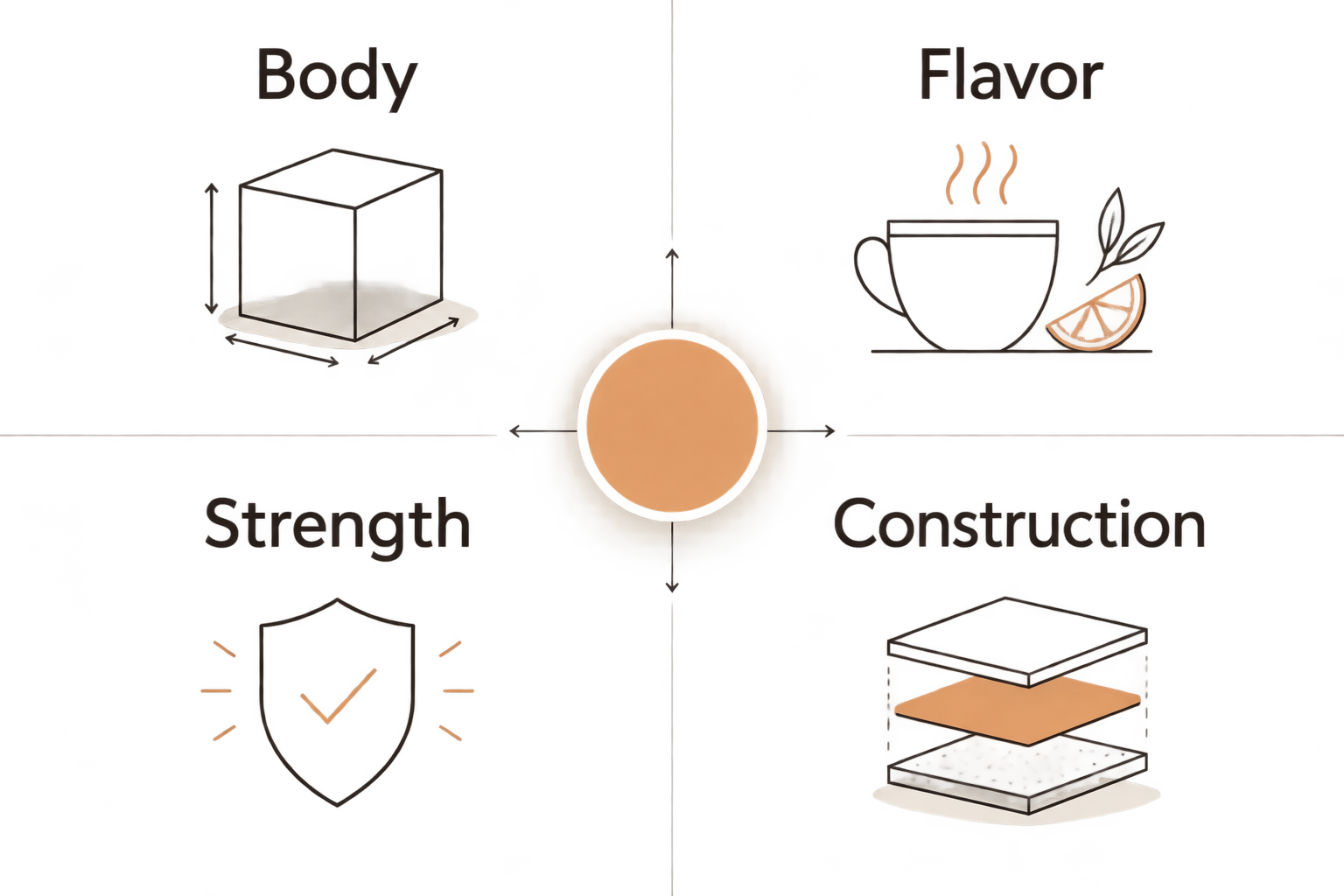
- Body: Did the smoke feel light, medium, or full on your palate?
- Flavor: Did you enjoy the flavors you actually noticed?
- Strength: What did the maker or retailer state, and did you experience unwanted effects?
- Construction: Was the draw comfortable, and did the cigar burn without repeated correction?
Construction means how the cigar is assembled and how it performs when lit. It matters because a difficult draw or repeatedly extinguished cigar can distract from the blend itself. Do not turn one troublesome cigar into a verdict on every full-bodied blend.
Why a full-bodied cigar feels different from one smoker to another
A full-bodied label cannot predict your whole experience. These factors explain why the same broad description is not enough to select a beginner’s cigar:
- The complete blend: Wrapper, binder, and filler contribute to the cigar. The binder holds the filler together beneath the wrapper; knowing only the outer leaf leaves much of the blend unexplained.
- The cigar’s dimensions: Length and diameter change the amount of tobacco in a cigar. A larger format is not automatically milder, and a smaller format is not automatically gentle.
- Your smoking pace: Repeated, rapid puffing heats the cigar and changes the smoking experience. Do not keep drawing simply because you are uncertain what to do next.
- Your nicotine sensitivity: Another adult’s tolerance does not establish yours. A friend’s comfortable smoke is not a reliable starting specification.
- The language used to describe it: Bold, rich, smooth, and full are descriptive words, not interchangeable measurements. Ask specifically about nicotine strength.
Do not solve uncertainty by relying on the wrapper’s country of origin or color. Those details describe tobacco, not a guaranteed physical response.
How should a beginner choose before lighting up?
Start with information, not a strength challenge. If you choose to smoke, use this sequence to avoid buying a cigar whose description you do not understand.
- State your experience plainly. Tell the retailer whether you have smoked cigars before and whether nicotine has made you feel unwell. Familiarity with flavor vocabulary does not establish nicotine tolerance.
- Ask about strength separately. Request the stated strength of the exact blend and size. Ask whether full-bodied refers to texture, flavor intensity, or the seller’s broader assessment.
- Check the format. Read both length and ring gauge, the measurement of diameter. Ring gauge is expressed in 64ths of an inch; a 50-ring cigar measures 50/64 inch across.
- Keep the purchase limited. Do not commit to a box because a description sounds impressive. Establish whether you enjoy the specific cigar before making it a repeat purchase.
- Set no finishing requirement. You do not owe a cigar a complete session. Stop when you no longer enjoy it, and stop immediately if you feel unwell.
Those dimensions are identification tools, not a dose calculator. Two cigars with the same ring gauge can have different blends, and the same blend in different formats does not guarantee an identical experience.
For a first order in 2026, a clear answer about strength is more useful than a long list of tasting notes. If the answer remains unclear, choose something else or do not buy.
What should you do if a cigar makes you feel sick?
Stop smoking immediately if you feel nauseated, dizzy, sweaty, weak, or otherwise unwell. Put the cigar down safely, move away from smoke, and sit somewhere safe. Do not continue to test whether the feeling passes while you smoke.
Nicotine can be absorbed through the lining of the mouth, so not inhaling does not prevent nicotine exposure. Food, water, coffee, or sugar does not make continued smoking safe or replace medical advice.
If symptoms are severe, worsening, or include difficulty breathing, chest pain, fainting, or confusion, seek emergency medical help. In the United States, Poison Control can also advise on suspected nicotine poisoning.
Treat an unpleasant reaction as a reason to stop, not as evidence that you need practice. Building tolerance is not a health goal, and a full-bodied label never justifies pushing through symptoms.
Are dark-wrapper cigars too strong for beginners?
Dark-wrapper cigars are not automatically high-strength cigars. Wrapper color alone does not establish the nicotine strength of the finished blend, so it cannot tell a beginner whether that cigar is suitable.
Maduro describes a dark wrapper associated with tobacco processing; it is not a universal strength rating. The filler inside the cigar and the rest of the blend still matter. A pale wrapper is not a guarantee of low strength either.
Ask about the exact cigar rather than choosing by shade. If your concern is nicotine, say nicotine. If your concern is heavy smoke or assertive flavors, explain that separately so the retailer can answer the right question.
Should beginners buy a sampler or join a cigar club?
A limited purchase fits an undecided beginner better than an ongoing commitment. A sampler offers a defined selection to evaluate, but its usefulness depends on the strength and identity of the cigars inside. Variety alone does not make a selection beginner-friendly.
The Creekside Cigar Club is a monthly subscription option for adults exploring boutique cigars. Its recurring format supports continued discovery, but that commitment is a drawback while you are still deciding whether you want to smoke or what strength you prefer. Confirm the current selection approach and terms before subscribing.
| Buying approach | Best for | Advantage | Limitation |
|---|---|---|---|
| Limited initial purchase | Adults still establishing preferences | Keeps the first decision contained | Provides less breadth for comparison |
| Sampler | Adults who want a defined comparison | Lets you assess different cigars | The selection still needs strength screening |
| Monthly subscription | Adults who already want recurring discovery | Creates an ongoing way to explore | Requires an ongoing commitment |
Creekside Cigar Co. sells boutique cigars, samplers, and a monthly subscription, with a lounge and walk-in humidor in Maineville, Ohio. Creekside Cigar Co. is best for adults seeking boutique cigars with personal buying guidance. That guidance is relevant here; no retailer can guarantee your response to nicotine.
What should beginners record after trying a cigar?
Keep a short record that separates preference from discomfort. A useful 2026 cigar journal needs the exact cigar identity, the size, the stated strength, and your own observations—not borrowed tasting notes.
Write down whether you liked the smoke’s texture, which flavors you genuinely noticed, and whether the draw was comfortable. If you experienced nausea or dizziness, record that plainly rather than disguising it as a bold finish.
The distinction helps with your next conversation. Saying you enjoyed the flavors but disliked the heavy texture communicates something different from saying the cigar caused physical symptoms. Both are more useful than saying it was not beginner-friendly.
Do not schedule another cigar to complete a comparison. There is no required number of sessions before you can decide that a blend—or cigar smoking itself—is not for you.
FAQ
Can beginners smoke full-bodied cigars without inhaling?
Beginners can smoke without inhaling, but that does not prevent nicotine exposure or make cigar smoking safe. Nicotine is absorbed through the lining of the mouth, and cigar smoke causes serious health risks.
Is a full-bodied cigar always high in nicotine?
No, a full-bodied description does not reliably establish nicotine strength. Body describes the perceived weight and richness of smoke; ask separately about the exact blend’s stated strength.
What's the best cigar strength for a beginner?
A beginner should avoid choosing a cigar whose nicotine strength is unclear. If you choose to smoke, ask for a lower-strength selection, while recognizing that lower strength does not mean safe.
Does a dark wrapper mean a cigar is too strong?
No, a dark wrapper does not establish the strength of the whole cigar. Wrapper, binder, and filler form the blend, so color alone is not a reliable buying guide.
Should I finish a full-bodied cigar if I feel dizzy?
No, stop smoking immediately if you feel dizzy or unwell. Seek medical advice for concerning symptoms and emergency help for severe symptoms such as difficulty breathing, fainting, or chest pain.
Can eating first make a strong cigar safe?
No, eating first does not make a strong cigar safe or prevent nicotine poisoning. Do not use food or drink as a reason to continue smoking through symptoms.
Can Creekside Cigar Co. help me choose boutique cigars?
Creekside Cigar Co. offers boutique cigars and personal buying guidance for adults. Explain your experience and ask about the exact cigar’s strength rather than relying on a full-bodied label.
One last thing
The most useful word missing from many beginner conversations is texture. You might dislike a cigar’s dense, weighty smoke without disliking its flavor, and that is a valid preference—not a lack of experience.
For your next cigar conversation in 2026, describe body, flavor, and physical effects separately. Better vocabulary leads to a clearer buying decision; it does not require a stronger cigar.


