

How EGM Cigars Built a Distinctive Cigar Brand
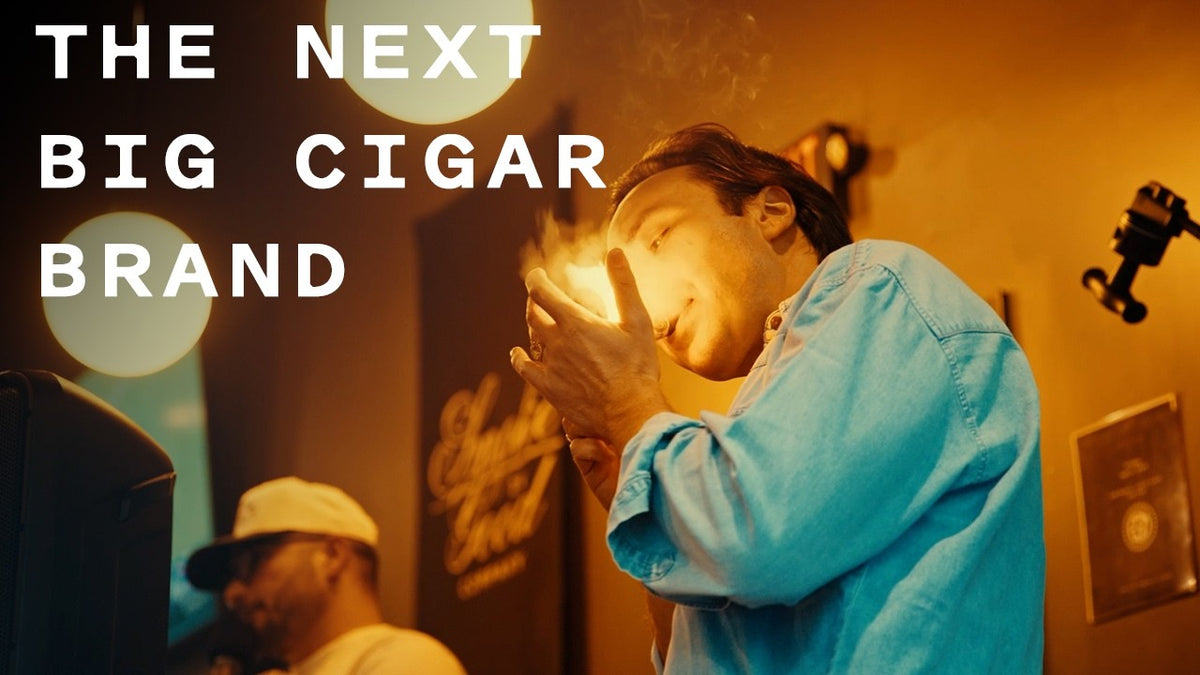
From Creekside Podcast Ep. 050: The Next Big Cigar Brand (Feat. EGM Cigars), aired May 01, 2026. Recorded at Creekside Cigar Co. in Maineville, Ohio.
On this episode of the Creekside Podcast, Dave talks with EGM Cigars founder Ettore Gabriele Moraschinelli about the path from online cigar retailer to cigar maker. They get into the brand’s accessible approach to cigar culture, the relationships behind its first blends, and the farming and processing choices that shape its cigars. The conversation also marks the launch of EGM’s first Maduro, with a wrapper from Pennsylvania.
How did EGM Cigars get its start?
Before EGM made cigars, Ettore was building a business in advertising and digital marketing. He started collecting cigars while living in London, where he saw both a growing interest in cigar photography and an opportunity to improve the online shopping experience. As a customer, he found cigar websites difficult to use, with poor product photography, slow pages and unclear delivery information.
With friends and colleagues, he built an online retailer around curated products, careful photography and useful cigar content. The early business began with Ettore’s own collection and grew from there. The name came from a cigar band he had already designed with his initials, originally so friends would remember who had shared a cigar with them. When it came time to name the company, EGM was already there.
The move into making cigars was driven partly by supply concerns. During the pandemic, demand for Cuban cigars rose while stock became difficult to replenish. Ettore worried that a business dependent on other makers would be vulnerable. He also believed the team had a point of view on flavor worth sharing. They used sales data to understand which sizes and styles customers favored, then brought that experience to conversations with factories in the Dominican Republic.
What makes EGM’s approach to cigar culture different?
Ettore says EGM wanted cigar smoking to feel more inclusive and less wrapped up in jargon or gatekeeping. Rather than presenting cigars only in formal clubs, the brand showed people enjoying them in everyday settings, including parks and beaches. The idea was to make the experience feel approachable without giving up its aspirational side.
Some of EGM’s imagery is deliberately heightened and playful. Ettore described the G Wagon content as surreal and tongue-in-cheek, not a claim about how people need to live to enjoy cigars. The brand’s visual world draws on food, music, friends and Italian seaside life. The goal, as the conversation framed it, is to invite people in rather than suggest that cigar culture belongs to a select few.
That point connects to a broader theme in the episode: a brand is more than its name or logo. Dave and Ettore reflect on how the experience people have with a business, and the way it makes them feel, can matter more than finding a perfectly engineered name. For EGM, the product and the atmosphere around it are both part of the identity.
Why does EGM focus on organic tobacco practices?
Ettore described the methods used by EGM’s farm and factory as a deliberate choice that can mean lower yields and more labor. He outlined practices across soil preparation, cultivation and curing. Instead of relying on synthetic fertilizer for two tobacco harvests a year, the farm grows one crop and uses plants such as beans to help return nitrogen to the soil. Wider spacing between tobacco plants allows more airflow, while workers inspect the fields and remove suckers by hand.
He also said the tobacco is fermented without added ammonia, which some producers use to speed up fermentation. Avoiding that shortcut can mean a longer process. Ettore emphasized that he is not claiming this is the only right way to make cigars; it is the approach EGM has chosen because he values the character of the resulting tobacco. Dave connected these choices with the clean, distinctive impression he finds in EGM cigars.
What is special about the EGM Maduro?
The episode was recorded around the launch of EGM’s first Maduro. It is also the first time EGM has used tobacco from outside the Cibao Valley: the wrapper is Pennsylvania Broadleaf from Lancaster County. That makes the cigar a notable change in sourcing for a brand whose earlier cigar-making story centered on the Dominican farm and factory relationship.
Ettore said he was pleased to launch the cigar at Creekside, where the team’s approach to hospitality and relationships felt aligned with EGM’s own. The launch reflects the brand’s next step in the United States, while keeping the focus on making products it believes in rather than treating growth as the main objective.
Key takeaways
- EGM grew from an online cigar retailer into a cigar maker after supply challenges prompted the team to develop its own products.
- The brand aims to make cigar culture feel welcoming, using accessible storytelling rather than traditional gatekeeping.
- EGM’s stated tobacco practices include one annual crop, wider plant spacing and fermentation without added ammonia.
- The EGM Maduro is the brand’s first Maduro and features a Pennsylvania Broadleaf wrapper from Lancaster County.
Cigars from this episode
- EGM Cigars: The company began with five vitolas; the transcript does not give a separate name for that initial cigar release.
- EGM Maduro: EGM’s first Maduro, featuring a Pennsylvania Broadleaf wrapper from Lancaster County.
Shop, smoke and listen with Creekside
- Join the Creekside Cigar Club for boutique cigars picked by our crew every month
- Visit our cigar lounge at 1381 US-22, Maineville, OH, open seven days a week
- Subscribe to the Creekside Podcast on YouTube and catch every episode


